Tag Archives: Things I Learned on the Way to Looking Up Other Things

Things I Learned on the Way to Looking up other Things #10

21 Jul

Trash Talk, 1886

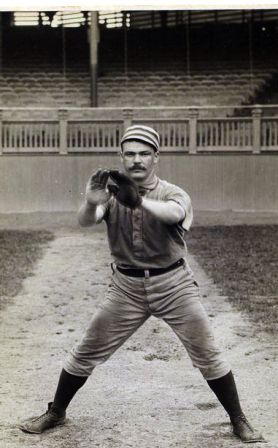
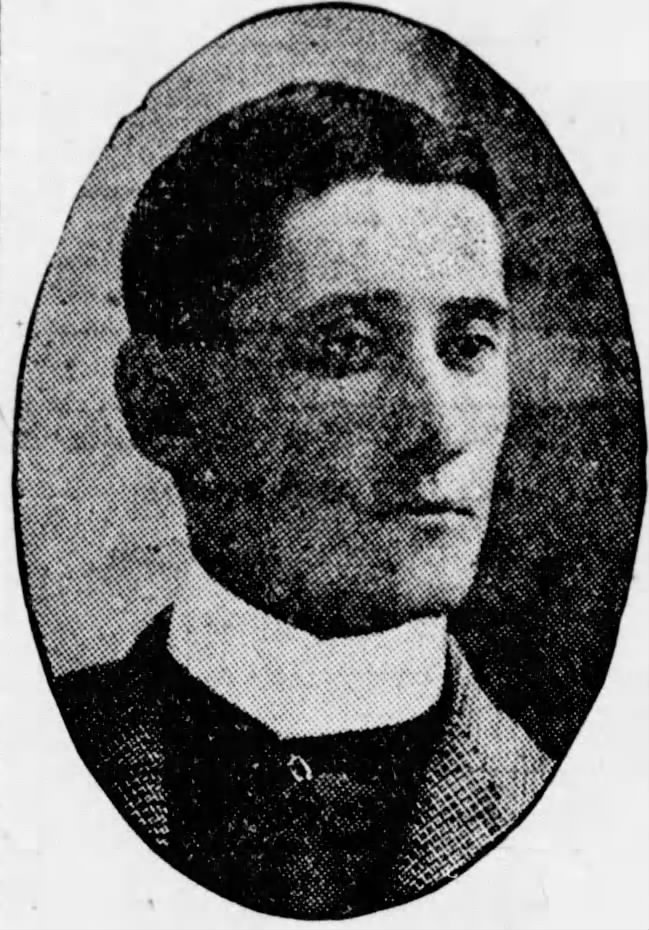
The Philadelphia Times reported in July of 1886 about a feud between two American Association pitchers; Brooklyn Grays rookie Steve Toole and St. Louis Browns star Dave Foutz:

“Steve Toole says Foutz is the ugliest player in the Association.  Foutz returns the compliment by saying that Toole is no pitcher, but his face paralyzes the batsmen.”
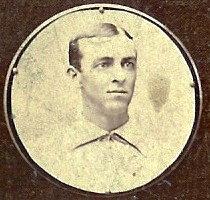
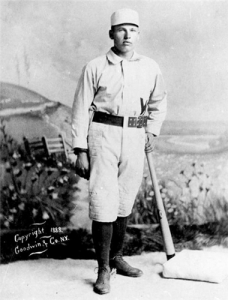
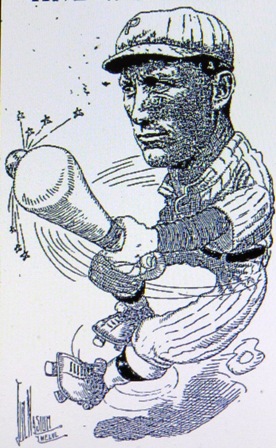
Dave Foutz
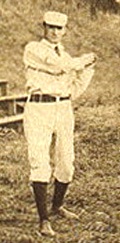
Dave Foutz

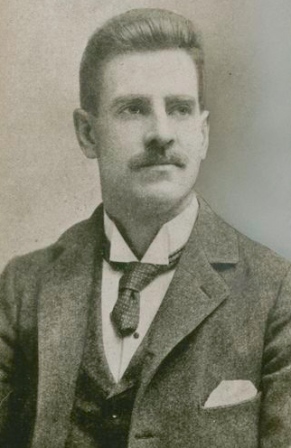
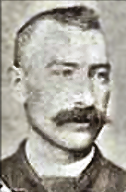
Steve Toole

Steve Toole

The National Convention—1867

The Nashville Union and Dispatch’s take on a decision which would reverberate for the next 80 years:

“Still Against The Negro—The National Convention of base-ball players in session at Philadelphia last week resolved that no club composed of persons of color, or having in its membership persons of color, should be admitted into the National Association.

“To show the significance of this action we may state that there were four hundred and eighty-one clubs represented in this convention including clubs from the following states:  Massachusetts, Connecticut, New York, New Jersey, Pennsylvania, Delaware, Maryland, District of Columbia, Ohio, Indiana, Illinois, Wisconsin, Minnesota, Missouri, Oregon and Nebraska.  From which it is evident that the Northern base-ballists are opposed to Negro equality.”

Boss Schmidt—Throwing and Fighting

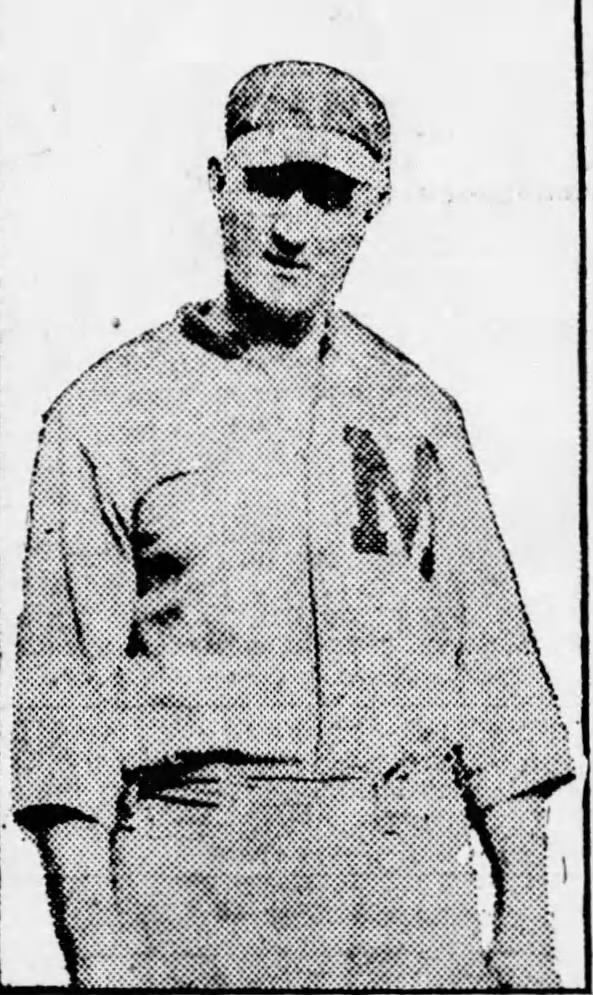
Charles “Boss” Schmidt is best known for leaving Ty Cobb with two black eyes and a broken nose in 1907 after Cobb slapped a black groundskeeper and choked the man’s wife when she attempted to intervene;  he also was a member of three pennant-winning Detroit Tigers teams (1907-1909).
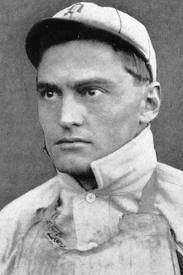
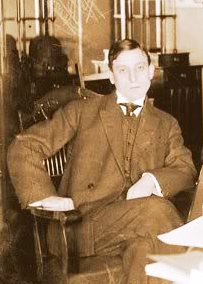
Charles "Boss" Schmidt

Charles “Boss” Schmidt

During the era when several players received tremendous publicity for catching balls dropped from great heights. Schmidt received only minimal attention for an impressive throwing feat in 1909.

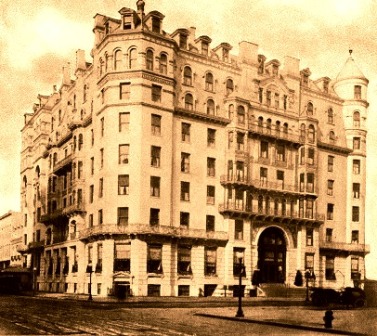
The Tigers were staying at Washington’s Arlington Hotel during an August series with the Washington Senators when Schmidt, according to The Associated Press:

“Charles Schmidt of the Detroit baseball team threw a 10-cent baseball from Vermont Avenue in front of the Arlington over the eight-story Shoreham Hotel (the one torn down in 1929, not the Omni Shoreham which was built in 1930 and is still standing), which faces on fifteenth Street.  He took a run, and the ball went up until it disappeared over the roof line of the hotel.  It was later found in Fifteenth Street.  Whether it cleared the building entirely or bounced from the roof is not known, but it was a splendid throw, for the distance from where Schmidt stood to Fifteenth Street is nearly 400 feet.”

shoreham

The Shoreham Hotel, Washington D.C., the eight story hotel Schmidt cleared with “a 10-cent baseball.”
Schmidt participated in two professional bouts in Fort Smith, Arkansas after the 1911 season—he won a six-round decision and participated in one four-round no decision.  While some thought Schmidt could potentially fight champion Jack Johnson (who some sources say he spared against during this period), it’s clear Schmidt never took seriously the idea of fighting Johnson.

In a letter later printed in The Detroit Times Schmidt told a friend:

“This white man’s hope bunk is the biggest joke ever put over on the public.  I admit I like the boxing game, but I have never even considered gathering a living from the roped arena.  I like to do just four things.  Play ball, fight, hunt and eat.  Boxing is all right for a little amusement when it’s too cold to play ball…As for this dope on my being the white man’s hope, somebody is loon, it sounds like a squirrel talking to a nut.

“I have joined the Tigers again, and mean to show by my playing that I am with the team heart and soul.  Whatever my personal opinions have been, whatever my playing is, whatever critics have said about me, no one can say that I have not given the Detroit team the best I have…I don’t know who this guy is who has been sending fight dope from Fort Smith about my challenging Jack Johnson, but whoever he is, he ought to get a job in New York.  He could sell J. Pierpont Morgan a nicely enameled brick without difficulty.

“Yours is peace, prosperity and pennants, Charlie.”

Despite being released by the Tigers before the beginning of the 1912 season, Schmidt remained true to his word that baseball, not boxing, was his sport of choice.  His big league was over, but he continued as a player and manager in the minor leagues until 1927.  He never fought again.
Things I Learned on the Way to Looking up other Things #9

18 Jun

The Business of Bats–1896

The Louisville Courier-Journal said in the spring of 1896 that their city “is now conceded to be the bat market of the world.”

That year, J. F. Hillerich & Son, a company that “was in practical obscurity three years ago,” had already “received orders to manufacture 75,000 bats this season.”

(Many sources, including the Louisville Slugger Museum, say the name change from Hillerich Job Turning to Hillerich and Son took place in 1897, but the names “& Son” and “& Son’s” were used in advertisements as early as 1895)

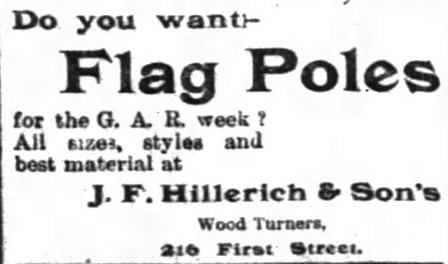
An advertisement for flag poles which appeared in Louisville papers on the eve of the 29th Encampment of the Grand Army of the Republic in September of 1895 shows the company name as J.F. Hillerich & Son's.

An advertisement for flag poles which appeared in Louisville papers on the eve of the 29th Encampment of the Grand Army of the Republic in September of 1895 shows the company name as J.F. Hillerich & Son’s.

“(Hillerich) is known to every ball player of any note in the United States.  A Courier-Journal reporter yesterday afternoon found orders from (Ed) Delehanty of the Philadelphias; (Hugh) Duffy of the Bostons, (Jesse) Burkett of the Clevelands and many other noted batsmen in the little factory at 216 First Street. Eight years ago (James Frederick) Jim Hillerich did not have money enough to buy a wagon load of ash, from which bats are made.  This season his business amounts to more than $50,000 which is done in ball bats alone.

“When a team arrives in the city the first thing the members do is to have a race for this bat factory to select some new ‘sticks.’”

The paper said the company’s output in 1895 had been twice that of 1894 and “The business this year amounts to four times as much as it did last year.”

The ash for Hillerich’s bats was grown in Indiana and Kentucky “and is felled and split by fifty men.  All the bats are hand-turned”

Washington’s Brief Craps Scandal–1891

In June of of 1891 The Washington Herald reported trouble in the ranks of the American Association’s ninth place Washington Statesmen.

The team was playing for their second manager (there would be a total of four that year), the first, Sam Trott had been let go after just 11 games.  The Herald said when Charles “Pop” Snyder was installed in place of Trott “the directors thought they had at last secured a pilot who would successfully carry them through the breakers.”

The team lost 16 of their first 19 games under Snyder and the paper said “steps are being taken to secure a new man to fill Snyder’s place.”

Chief among Snyder’s failing was:

“(W)hen a discovery was made at the grounds by some interested parties.  It was in the morning, and the men should have been practicing in order to better their playing, but instead were found, it is said, engaged in the seductive pursuit of playing ‘crap.'”

The only player the paper named was catcher James “Deacon” McGuire who, at one point during the game was ahead $56.  The Herald quoted an unnamed team official:

“‘We pay them good salaries, from $250 to $350 per month, and they ought to give us good ball.’ observed one director, after exhausting himself in giving expression to some very emphatic language regarding the crap incident.”

Deacon McGuire

Deacon McGuire

One week later the paper said:

The Herald cheerfully publishes this denial:  Manager Snyder makes a plain statement of the case, to the effect that one morning, the day of the extreme heat, while the men were in the shade, umpire (John) Kerins pulled out the ivories and the men in the spirit of fun went at the game.  It did not last ten minutes and it was the only time it occurred during the season.”

Snyder was replaced as manager a month later by Dan Shannon who fared no better (15-34); he was replaced by Tobias “Sandy” Griffin in October.

 The Reason for Baseball’s “Mania”–1869

The Milwaukee Semi-Weekly Wisconsin editorialized on the growing popularity of baseball in July of 1869:

“A few years ago the game of baseball which every male in the land, perhaps, had played from his youth up, was dignified by being elevated into a ‘national game,’ and set off with printed rules and regulations.  Forthwith the sport became the rage of young and middle-aged, and clubs were formed all over the land.  It was suddenly found that the game was just the thing to develop muscle and invigorate the frames of school boys and men of business, clerks and mechanics, sedentary men and farmers.”

The Associated Press gives with the utmost minuteness the score of every match game–no matter though it may have taken place in the obscurest village of the far east.  Across and up and down the continent these reports go side by side with the most important matters of state, of commerce, of international policy, often times taking up more space than news of the greatest moment.”

The paper asked “What has given this sudden impetus to the ‘national game?’ Is it the result of an increased desire for physical culture?  Is it because men feel more than ever the importance of exercise?  Not at all…There is another reason for the mania.”

That reason was gambling:

“We have nothing to say against baseball or any other sport when carried on simply as a recreation; we approve of them and think they ought to be encouraged; but the trouble is they degenerate into a machine for betting , and thus they become the means of corrupting the morals of the youth.  Americans seem to be rapidly acquiring an appetite for betting…This passion for outside  betting is increasing, and this is the reason why these match games are telegraphed over the country with such minuteness…Men bet on an election or a  baseball match who would not go into a gambling saloon for any consideration.”

The conclusion of the editorial was a foreshadowing of the role of gambling during baseball’s next five decades”

“It may be a comparatively small evil to make or lose five dollars upon some kind of match game, but this is only the beginning of an evil which too frequently grows into a magnitude which cannot always be computed.”


Things I Learned on the Way to Looking up other Things #8

4 Jun

Remember the Maine

Several sources say Harry Stees, who played for the 1897 Shamokin Coal Heavers in the Central Pennsylvania League died in the explosion of the USS Maine in Havana Harbor on February 15, 1898—it would make him the first professional player killed in action.

The Sporting Life also reported that he had died aboard the ship.

A small item in his hometown newspaper contradicts that story.

Nearly a month after the sinking of the Maine, The Harrisburg Telegraph ran the following Headlines:

“A Fool Joke”

Harry Stees was Never on the ‘Maine’ at Havana or Elsewhere

The paper said a letter had been published in The Daily, the newspaper in the nearby town of Sudbury, Pennsylvania signed by “Mrs. Harry Stees.”  The letter asked for the paper if they could locate Robert Durnbaugh, a teammate of Stees with the Coal Heavers, and have Durnbaugh contact her.

In the Letter Stees is referred to as Theo.  Contemporary references in the Telegraph and census records refer to Stees as T. Harry Stees. The paper said:

“A ‘Telegraph’ reporter located Mr Harry Stees without difficulty at the Peipher Line warehouse, on Walnut Street, this morning, and showed him the clipping.  He stated that he was undoubtedly the individual referred to in the letter, but was positive that neither his wife nor mother had written such a communication to The Daily.  ‘It’s some fool joke, put up on me by someone in town,’ he said.  ‘I have been away from Harrisburg since last September when I returned with Durnbaugh from Shamokin, where we had been playing ball, and I never set foot on the Maine.’  Mr. Stees proposes to investigate the origin of the communication.”

There was no follow up on the story, but T. Harry Stees was a prominent figure in amateur and semi-pro baseball in Harrisburg into the 1930s.

T. Harry Stees, circa 1915

T. Harry Stees, circa 1915

It appears he was not the first professional player killed in action.

Stees, 1919

Stees, 1919

Anson’s Old Bat

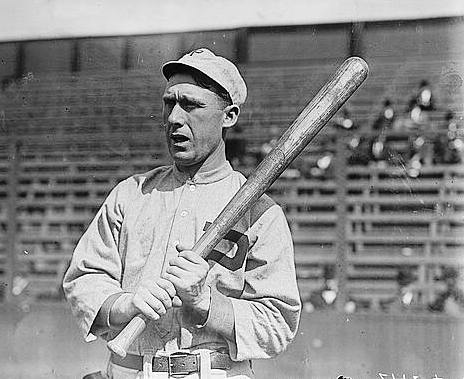
Despite a broken ankle received while sliding on May 23 sidelined “Silent” John Titus for much of the season, the Philadelphia Phillies’ outfielder had his highest single-season home run total–eight in just 236 at bats, his previous high was four in 504 at bats in 1904.

John Titus

John Titus

The Philadelphia Record claimed it was due to a bat he had acquired that season:

“Cap Anson’s old base ball bat is helping the Phillies in their flight toward the National League pennant.  This relic of early baseball is now owned by John Titus.

“When everything broke badly for Anson and he lost his fortune…that bat had to be auctioned off.  Pat Moran, then a member of the Cubs, but now (Phillies Manager Charles “Red”) Dooin’s first lieutenant, was the purchaser of the club.  He bid against several members of the cubs team.

“Moran had the bat shortened as soon as it was his, so that today it doesn’t look much like the clubs that Anson used, but Moran says that ‘the wood is there.’

“Titus was looking over Moran’s club one afternoon toward the close of (the 1910) season and asked to be allowed to hit  a ball to the outfield with it…’Silent John’ used the bat just once and after that nothing but the possession of it would satisfy him.

“Immediately Titus began to negotiate with Moran for the bat…Finally Moran yielded, knowing that the bat would do Titus more good than it would do him.”

The Record described the bat:

“(D)irty and black from tobacco juice and frequent oiling, but the wood is in perfect shape.  Probably no bat in baseball is as thick as this one.  From the pitcher’s box it is said it reminds one more of a cricket bat in width.”

Titus told the paper:

“Anyone can hit with that bat of Anson’s.  When a fellow is hitting, he feels that there is something to life, after all.  What pleases a fellow more than to see a ball dropping over a fence?  Another one I guess.  Every player likes to hit home runs.  It gives a player lots of ginger and confidence when he is hitting them on the nose.”

Several newspapers picked up versions of the story throughout the season, but there was no later mention of the bat, or its eventual fate, in the Philadelphia press.

Things I Learned on the Way to Looking up other Things—Women’s Baseball Edition

2 Apr

A Riot in Cuba

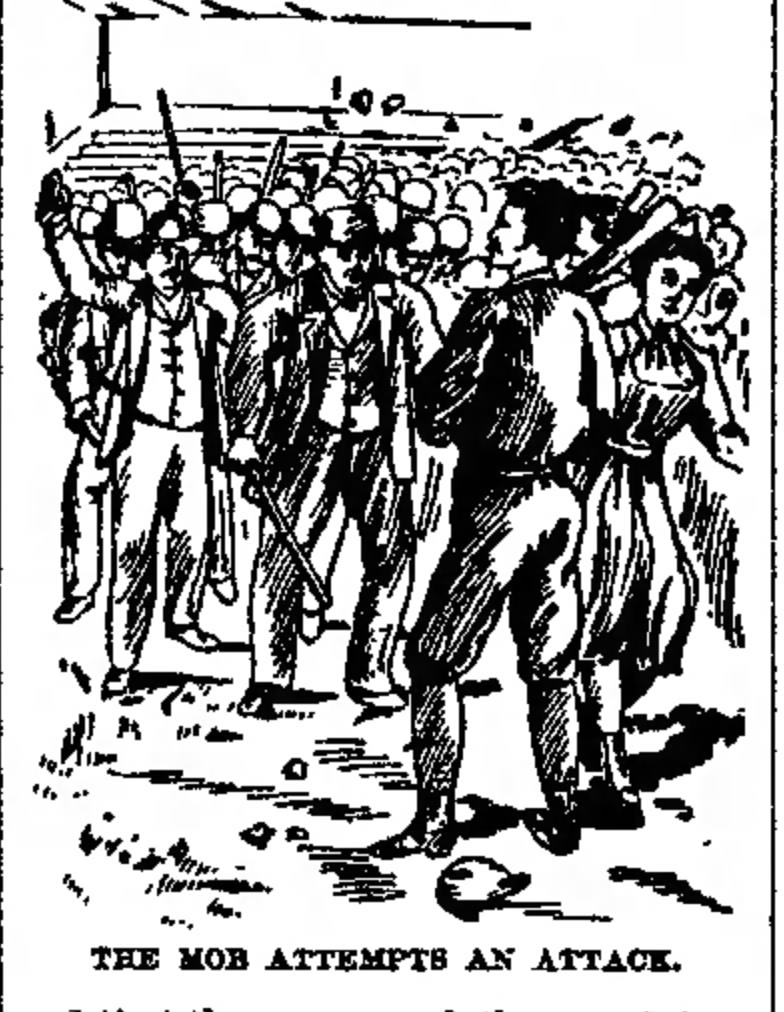
In early 1893 a team known as the “American Female Baseball Club” traveled to Cuba to play a series of games against male teams.  The Associated Press said the team was “going about playing against Cuban clubs and otherwise exhibiting themselves with more or less success,” until they arrived in the Almendares district of Havana for a game on March 5:

“The attendance included a share of the lowest dregs of society.  These became irritated at the playing of the American visitors and some of them declared that it was simply farcical and…claimed the young women were, in fact, not players at all.  They clamored for the restitution of their money, and at length broke seats and set fire to the fence around the play-grounds.

“This caused a general consternation among the female players, who were gallantly defended by the young men of the opposing Cuban club and by the respectable majority of the spectators.  Confusion ensued, and the shrieks of the frightened young women could be heard mingled with the execrations of the mob.  All the players, male and female, took refuge in a house.  The mob pursued them and succeeded in obtaining entrance.  Then the rioters pillaged the house.  The Cuban players fought bravely to save the young women; otherwise more of them would have been hurt.”

1893havana

Illustration that appeared with the story in several newspapers

Most of the nine players were injured in the melee, and when the team returned to New York on March 14 The associated Press said the team “brought suit for damages against the Spanish Government.  The manager of the team, a man named Joseph Bruckner, said not only were the players assaulted but the rioters “dragged down the American flag which the club carried, and destroyed it.”

The resolution of the suit, if there was any, was never reported.  And there is no record of the “American Female Baseball Club” playing again.

“Deserting Home for the Diamond Field”

The acting chief of the New Orleans police department received a telegram from Cincinnati in May of 1886:

“Arrest two runaway girls.  They will arrive on train No. 1 of the North-eastern [sic] Railroad.”

The Cincinnati Enquirer said two New Orleans officers were detailed, and:

“(U)pon the arrival of the train placed the two runaway girls under arrest and brought them to the chief’s office.  At the time of their arrest they were in the company of H. Freeman, the manager of the Female Base-Ball Club.  Arrived at the station they gave their names as Fannie Crambert and Ella Burke.  They stated that they got acquainted with the members of the club in Cincinnati, and that, believing it a pleasant life, they resolved to lead it.”

The paper noted that both “were over eighteen years of age,” and were “dressed in flashy sailor suits,” when they arrived in New Orleans.

The Chief “gave them sound advice, and stated that the ways of the female baseballists were too rough and dangerous for young and virtuous girls.”

The two were returned to their families in Cincinnati.

The manager of the team, Harry Freeman (The New Orleans Times-Picayune said his real name was Sylvester Wilson), was arrested  and “charged with being a dangerous and suspicious character…for inducing young girls to leave their homes and parents and join his troupe of baseball players.”

Freeman/Sylvester was given the choice of a $25 fine or thirty days in jail; he chose to pay the fine.

The Times-Picayune said:

“Female base ball playing in New Orleans has doubtless had its day, and there will be no more of it—this season at least.”

Bloomer Girls

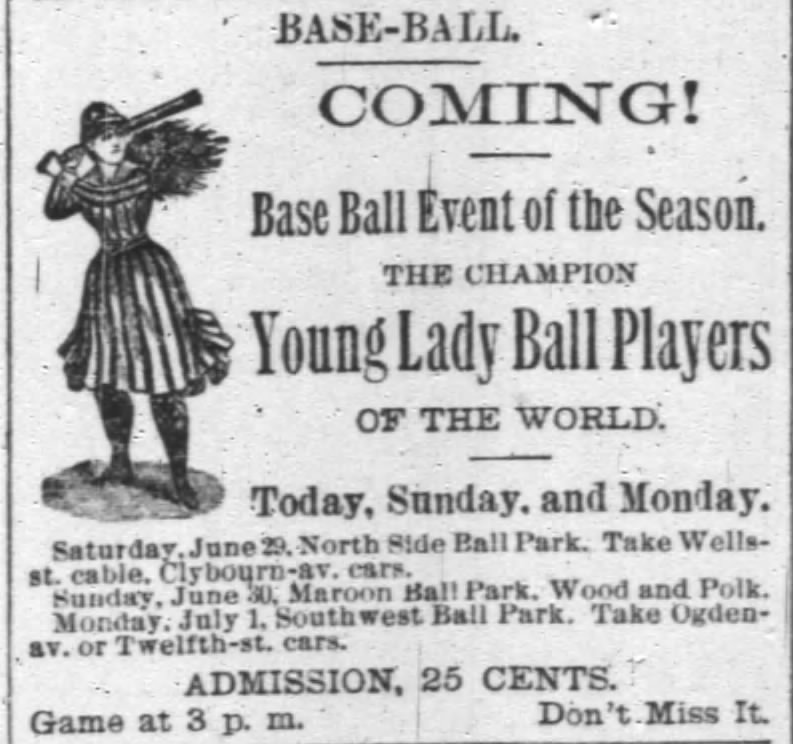
Below is an advertisement for the Chicago dates for a 1889 Barnstorming Tour of “Young Lady Ball Players of the World,” one of many teams generically called “Bloomer Girls,”  that played across the country in the late 19th Century.  This club played against male competition, and, like most women’s teams had between one and four male team members who would usually dress in drag.

womenjune1889chicago

“It is Claimed by these Citizens that the Pictures are Indecent”

In 1886, The Atlanta Constitution reported that a “cigarette picture sensation is agitating certain good people” in the city.

Cards inserted in packages of cigarettes were not new in Atlanta, or anywhere else; the practice was, at least, a decade old.  But these cards were different:

“They represent nine handsome female baseball players in attitudes common in that popular game.”

The cards were “displayed in a window” at the tobacco shop in Atlanta’s Kimball House Hotel.

“Since two weeks ago, it has been a daily occurrence for crowds to gather around the window and gaze admiringly upon the graceful forms depicted in the photographer’s art.  All sorts of people have been there, from the ragged boot black to the merchant prince.”

The cards quickly became controversial:

“A number of staid citizens have expressed themselves as being opposed to the exhibition of the pictures, and have declared their intention to request Mayor (George) Hillyer to interfere.  It is claimed by these citizens that the pictures are indecent.”

Atlanta was not the only city where the cards were a sensation, and controversial.

One of the cards that caused the sensation

One of the cards that caused the sensation–Pacholder Tobacco Company created the series to promote brands including Sub Rosa and Dixie–many extant examples of the set are part of New York’s Metropolitan Museum of Art collection

The New York Journal railed against the “objectionable pictorial advertisements in tobacco shop windows.”  Anthony Comstock’s Society for the Suppression of Vice contacted cigarette manufacturers and retailers ordering them to “cease these immodest displays, or prepare to face legal prosecution.”

The Journal said:

“Business men complain that some of the picture exhibited in the retail cigar stores…are of such a character that their wives and daughters hesitate to pass them, because of the open comments of boys and men who hang about the windows.”

While the displays were removed from many windows throughout the country, there is no record of any prosecutions of those who refused to remove the “offensive” cards.

Things I Learned on the Way to Looking up other Things #6

12 Mar

Umpiring “Revolutionized”

The Chicago Inter Ocean reported that an “innovation in baseball” would be introduced during the second game of a September 9 double header at Chicago’s South Side Park between the White Sox and the Boston Americans.

“The astonishing feat, an apparent impossibility, will be accomplished by the use of colors, and the inventor, George W. Hancock, expects the umpiring business to be almost revolutionized.”

hancock

George W. Hancock

Hancock was the inventor of indoor baseball in 1887; the game that evolved into softball.

“(Umpire) Jack Sheridan will wear a red sleeve on his right arm and a white one on his left claw.  For a strike he will wave the right arm, and for a ball the left one and the flash of the colors can be seen by people seated so far away that the voice even of Sheridan, the human bullfrog, would be inaudible.”

The “innovation” would likely have benefited one player, the popular center fielder of the White Sox, William Ellsworth “Dummy” Hoy, who was deaf.  But no mention was made of Hoy in the description of Hancock’s plan.

Hoy

Hoy

The “astonishing feat” turned out to be so insignificant that The Inter Ocean failed to even mention it in the summary of the double-header which the Sox swept.  Hoy did not appear in either game.  George W. Hancock’s plan was never mentioned again.

Luminous Ball

Another innovation that promised to revolutionize the game that never came to be was the luminous ball.  The Reading Times reported on the process in 1885:

“Charles Shelton, the leading druggist of Bridgeport, has discovered a compound which, when applied to a baseball, renders that object luminous.  One of the drawbacks of playing baseball at night under the electric light is the inability to see the ball when thrown or batted into the air with the black night background of sky behind it.  By saturating it with Mr. Shelton’s compound the ball while in motion is luminous.  At rest it does not retain any light.  The illuminating ball retains its meteoric irritation for 45 minutes.”

There is no record of Mr. Shelton’s invention ever being used in a professional game.

What’s a Dog Worth?

As part of the Federal League’s antitrust lawsuit against the American and National League’s affidavits were submitted from players detailing how organized baseball controlled the destiny and salary of player.  Mordecai “Three Finger” Brown, who jumped from the Cincinnati Reds to sign with the Federal League’s St. Louis Terriers, swore in his filing that players, on at least two occasions, had been traded for dogs.

William A. Phelon, of The Cincinnati Times-Star and “Baseball Magazine,” said:

“This thing of trading dogs for ball players—as outlined in the Federal affidavits—should be put upon a sane and sensible basis.”

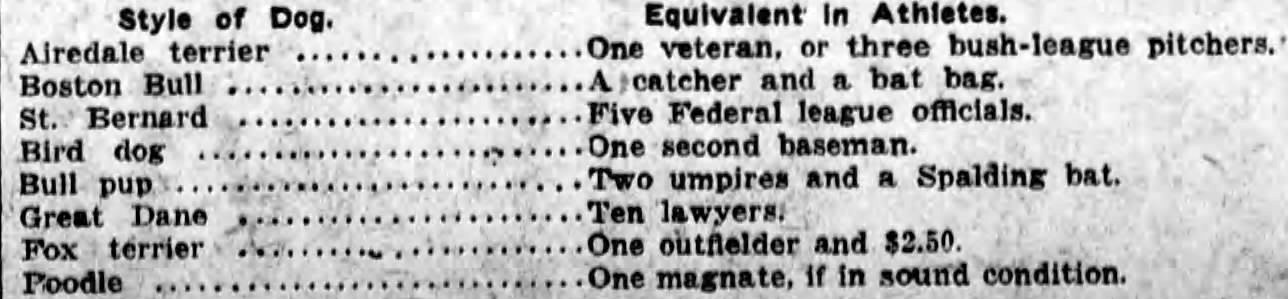
Phelon provided a “definite standard and a set of unit values” for baseball to follow:

phelondogs

McMullin’s Long Route to the Plate

Before Fred McMullin became the least famous of the eight members of 1919 Chicago White Sox who were banned from organized ball for life, he was a popular player on the West Coast.

Fred McMullin

Fred McMullin

The (Portland) Oregonian told a story that was purported to have taken place when McMullin was a member of the Tacoma Tigers in the Northwestern League in a game with the Seattle Giants:

“He came in from third on a dead run and made a slide for the plate.  McMullin knew he didn’t touch it, but he was afraid to slide back, as the catcher had the ball in his hand.  The umpire also knew he didn’t score, but he said nothing, for that was none of his business.

“Fred dusted off his uniform and stalked nonchalantly to the bench.  A couple of Seattle players yelled for a decision.

“‘He wasn’t safe, was he?’ demanded (Walt) Cadman, who was catching for Seattle.

“The umpire shook his head no.  At that Cadman, holding the ball in his hand, dashed over to the Tacoma bench to tag McMullin.  Fred waited until he almost reached him and then slid to the other end of the bench.

“Cadman followed him, and as he did s slipped in some mud and fell to his knees.  McMullin leaped up from the bench, dashed for the plate and touched it.  The umpire called him safe.”


Things I Learned on the Way to Looking Up Other Things #4

22 May

A Ballplayers Hands

Joe Ardner played second base in the National League for the Cleveland Blues in 1884 and the Cleveland Spiders in 1890; he played another 12 years in the minors.  In 1888 he was with the Kansas City Blues in Western League and provided the following explanation of the care and maintenance of an infielder’s hands:

“A ballplayer’s hands should not be hard, they should be soft.  When my hands are in perfect condition they are almost as soft as a lady’s.  Hard hands on a ballplayer will crack and get sore, but when the skin is pliable and tough there is little danger of the hands bruising, cracking or puffing.  Some folks imagine a ballplayer’s hands to be as hard as a board, but they are wrong.”

Joe Ardner

Joe Ardner

They have realized that the Umpire is Almost Human

National League President Harry Clay Pulliam was very pleased with how civilized his league had become by 1908.  In an interview with The Chicago Tribune he said:

“The game is getting cleaner all the time.  Why, I’ve only suspended about half a dozen men this year, to about forty last year, and I want to say that the players are trying harder to keep the game clean…They have realized that the umpires are almost human.  It’s business with the player now, and they’re banking instead of boozing…It’s a grand game, clean, wholesome, and it’s the spirit of contest that gives it its virility.  Civic pride is another vital adjunct to it.  Every town likes to have its own team a winner.  Sort of local pride or another form of patriotism, I call it.”

Harry Pulliam--National League President

Harry Pulliam–National League President

Soo League Night Games

The Copper Country Soo League was recognized as a league for the first time by the National Association of Professional Baseball Leagues in 1905; its last season in operation.  The four-team league located in Michigan’s Upper Peninsula was made up of mining towns along the Soo Line Railroad: the Calumet Aristocrats, the Sault Ste. Marie Soos, the Hancock Infants and the Lake Linden Lakers.

Nearly no records or roster information survives, other than that three future Major Leaguers played in the league: Donie Bush and Fred Luderus played for Sault Ste. Marie and Pat Paige played for Calumet.

In an effort to boost sagging attendance in June, the league first  attempted to merge with the Northern League, and when that effort failed announced a scheduling change.

The Duluth News-Tribune said:

“An innovation…will be introduced by managers of the clubs comprising the Copper Country Soo League.  Owing to the peculiar conditions which exist in some of the cities, it has been decided to play some of the games after supper as an experiment as it is believed the attendance will be larger.”

The Chicago Tribune‘s Hugh Fullerton said:

“(I)n the copper country baseball depends on miners for support…the plan proved quite a success…The miners would come out of their shift at 6 o’clock, the games were called at 6:30 and finished about 8:30 at twilight.  There were few games called by darkness.”

While the move helped three of the teams at the gate, the Sault Ste. Marie Soos failed to draw fans and disbanded late in August.

Calumet won the championship, and along with Hancock and Lake Linden  merged with the Northern league to form the Northern-Copper Country League–Calumet won the league’s first championship in 1906, playing a schedule of day games.


Future Phillies star Fred Luderus was a 19-year-old rookie with the Sault Ste. Marie Soos

Future Phillies star Fred Luderus was a 19-year-old rookie with the Sault Ste. Marie Soos

Things I Learned on the Way to Looking Up Other Things #3

26 Apr

Tools of ignorance

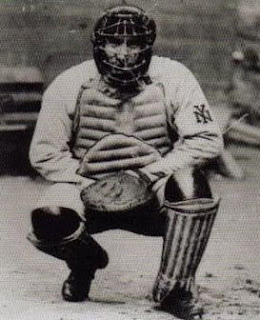
As catchers began to wear more equipment the was widespread disapproval.  In 1884 The New Haven News said:

“With his frontal liver-pad, his hands cased in thick gloves and the familiar wire helmet on his head, the average baseball catcher looks for all the world like an animated combination of a modern bed-bolster and a medieval knight.”

Roger Bresnahan, 1907, more than 20 years after catcher's began to look like "medieval knights."

Roger Bresnahan, 1907, more than 20 years after a catcher began to look like a “medieval knight.”

Cuban Giants Challenge

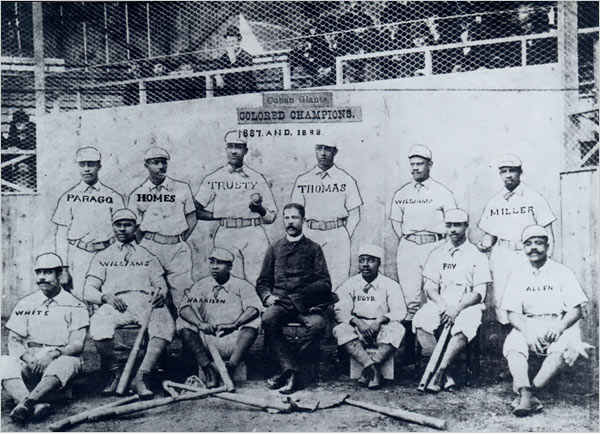
In August of 1888, The Freeman declared the Cuban Giants “virtually the champions of the world.”

The paper said that the first professional black baseball team, were willing to take on any ballclub, but:

“The St. Louis Browns, Detroits (Wolverines) and Chicagos (White Stockings) afflicted with Negrophobia and unable to bear the odium of being beaten by colored men, refused to accept their challenge.”

1887-88 Cuban Giants--"virtually the champions of the world."

1887-88 Cuban Giants–“virtually the champions of the world.”

The Elizabeth Resolutes

The Elizabeth (NJ) Resolutes were one of the worst professional teams of baseball’s infancy.  The 1873 National Association team only played 23 games, losing 21, and from the beginning of the season, the franchise was on the verge of demise.

The New York Herald summed up the general feeling about the team in an August article:

“The Resolute Club, whom everyone hoped had disbanded, as was reported, put in an appearance on the Union grounds yesterday afternoon and played the (Brooklyn) Atlantics, committing, as usual, about five hundred errors.”

It was the first, and last, game on the mound for pitcher Len Lovett.

The Herald concluded:

“The game was a most wretched affair.”

dougallison

Catcher Doug Allison who hit .300, and his brother Art, who hit .320, were rare bright spots for the resolutes.

Things I Learned on the Way to Looking Up Other Things #2

8 Apr

A few items from 1888 to 1890:

Largest bat 

Jonah William “Quiet Joe” Knight appeared in the National League as a pitcher for six games with the Philadelphia Quakers in 1884, posting a 2-4 record, and returned in 1890 as a left fielder with the Cincinnati Reds, hitting .312 in 127 games.  He also spent 16 seasons in the minor leagues and was one of the premier hitters in the Eastern League.

When Knight joined the Reds in 1890 The Cincinnati Post said he “uses a larger bat than any other professional.”  Reds shortstop Ollie Beard said:

“I can hardly swing the bat Knight uses let alone hit a ball with it.”

It was said Knight had his bats made to order in his home town St. Catherine’s Ontario, Canada.

joeknight

“Quiet Joe” Knight

Baseball in German

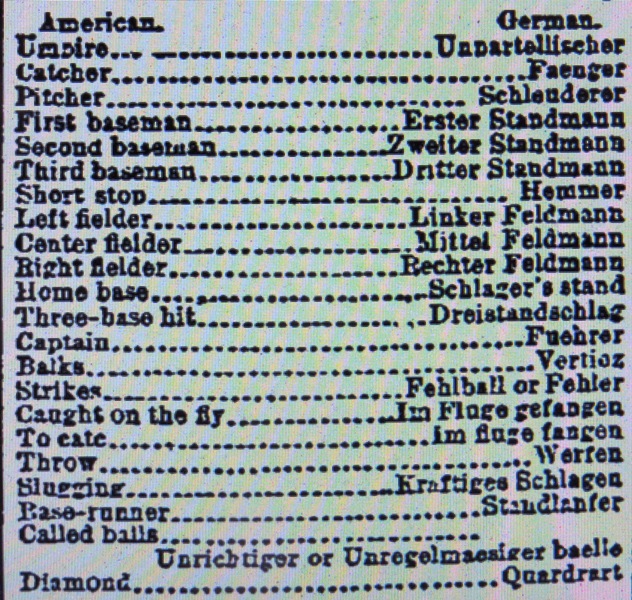
The Boston Herald reported in 1890 that New York’s German language paper Staats-Zeitung hired a baseball editor and would be recapping National League and American Association games:

“Naturally he has been obliged to invent words to describe the technical plays and points and how well he’s succeeded  will be seen from the following:”

???????????????????????????????

Harry Wright’s Team Unimpressive

After the 1887 season Hall of Famer and baseball pioneer Harry Wright took his Philadelphia Quakers on a tour of West Coast along with the Chicago White Stockings, New York Giants and St. Louis Browns; playing exhibition games against each other and with California League teams.

After seeing Philadelphia play The San Francisco Call was unimpressed with the National League’s second place team:

“The ‘Phillies’ will have to improve wonderfully to make their games at all interesting.  They may plead excuses, but they cannot disguise the fact that they played rank ball, and very rank at that.  Their initial effort stamps them as about fourth class, and it will require a brilliant rally to convince people in this section that they are ball-players.  There is not a team in the California League that will not give them a hard game and perchance defeat them.”

Unfortunately there is no record of  how Philadelphia fared on the rest of the tour.

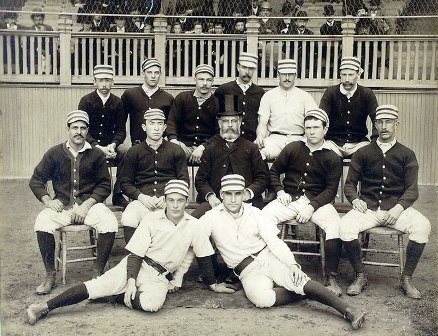
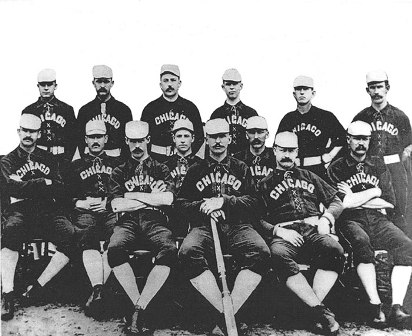
Harry Wright, center, with his 1887 Philadelphia Quakers

Harry Wright, center, with his 1887 Philadelphia Quakers

Things I Learned on the Way to Looking Up Other Things #1

7 Mar

There are many interesting, odd, great stories I stumble across when researching that are too short for a full post.

Sydney J. Harris, the late Chicago Daily News and Sun-Times Columnist had a regular feature by the same title as this post.  It seemed an appropriate name for this feature—so with a hat tip to Mr. Harris:

Arrested for Refusing to Fight Forest Fire

In December of 1911, Boston Red Sox pitcher Charley Hall and Pacific Coast League outfielder Harry Price were teammates on a winter league baseball team in Ventura, California, when a forest fire broke out in the area.  According to The Associated Press:

“When the fire was at its height Hall and Price…were sitting on the veranda of a hotel,  a deputy fire warden ordered them to fight the fire but they refused.”

Charley Hall, arrested for refusing to fight fire

Charley Hall, arrested for refusing to fight fire

Fire Warden John Kuhlman placed both players under arrest.  There is no record if they were ever convicted.

Baseball 1860

The New York Herald report on a July 5, 1860 game:

“The friendly game of ball between the Excelsior Club of Brooklyn and the Niagara Club of Buffalo resulted in an easy victory for the Excelsiors.

“The score was, Excelsior 50, Niagara 19.  In the fifth inning the Excelsiors made twenty-four runs.”

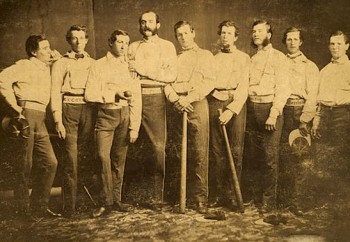
The Excelsiors, 1860

The Excelsiors, 1860

Carrier Pigeons

According to The Philadelphia Record in 1883 a zookeeper in Philadelphia used carrier pigeons dispatched between the zoo and Jefferson Street Grounds to provide updates on Athletic games.

Pigeons were also used by news organizations for the next several decades.  In 1900 The Milwaukee Journal bragged of their “carrier pigeon news service” which delivered updates from Milwaukee Park to the newspaper offices.  According to The Journal, sometimes the pigeons were more interesting to Brewers fans than the games.

The Journal’s carrier pigeon service attracted much attention on the field, and as each bird was released from the grand stand, the spectators of the game invariably lost interest for a moment in the diamond as they watched the bird dart upward and shape its course toward the city.

“Even the members of the contesting teams allowed their attention to be distracted at times by the unusual spectacle, and once, at the beginning of the sixth inning, when one of the liberated birds swooped down past big Perry Werden (Minneapolis Millers first baseman) as he stood guard over the initial bag…(Werden) raised an imaginary gun as though to take a shot at the pigeon, and of course the bleachers laughed.

“That The Journal’s service by means of the birds in not unknown to Milwaukeeans was well illustrated by the conversation of people seated around the spot from which the birds were set free.  They discussed the enterprise and those who did not understand the plan were quickly enlightened by the others, who knew all about how fast the birds flew, how they were kept and how they carried the news.”

The practice was continued at The Journal over the next decade.

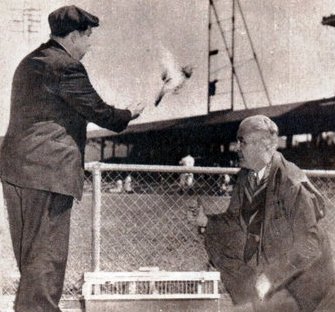
Cincinnati radio station WLW revived the practice for at least one game in 1939, when the station used pigeons to deliver information from a Reds game against the Pittsburgh Pirates to the studio.

Carrier Pigeons being released at Crosley Field,  Cincinnati, 1939

Carrier Pigeon being released at Crosley Field, Cincinnati, 1939